| |
Ohana(Shohto Park)
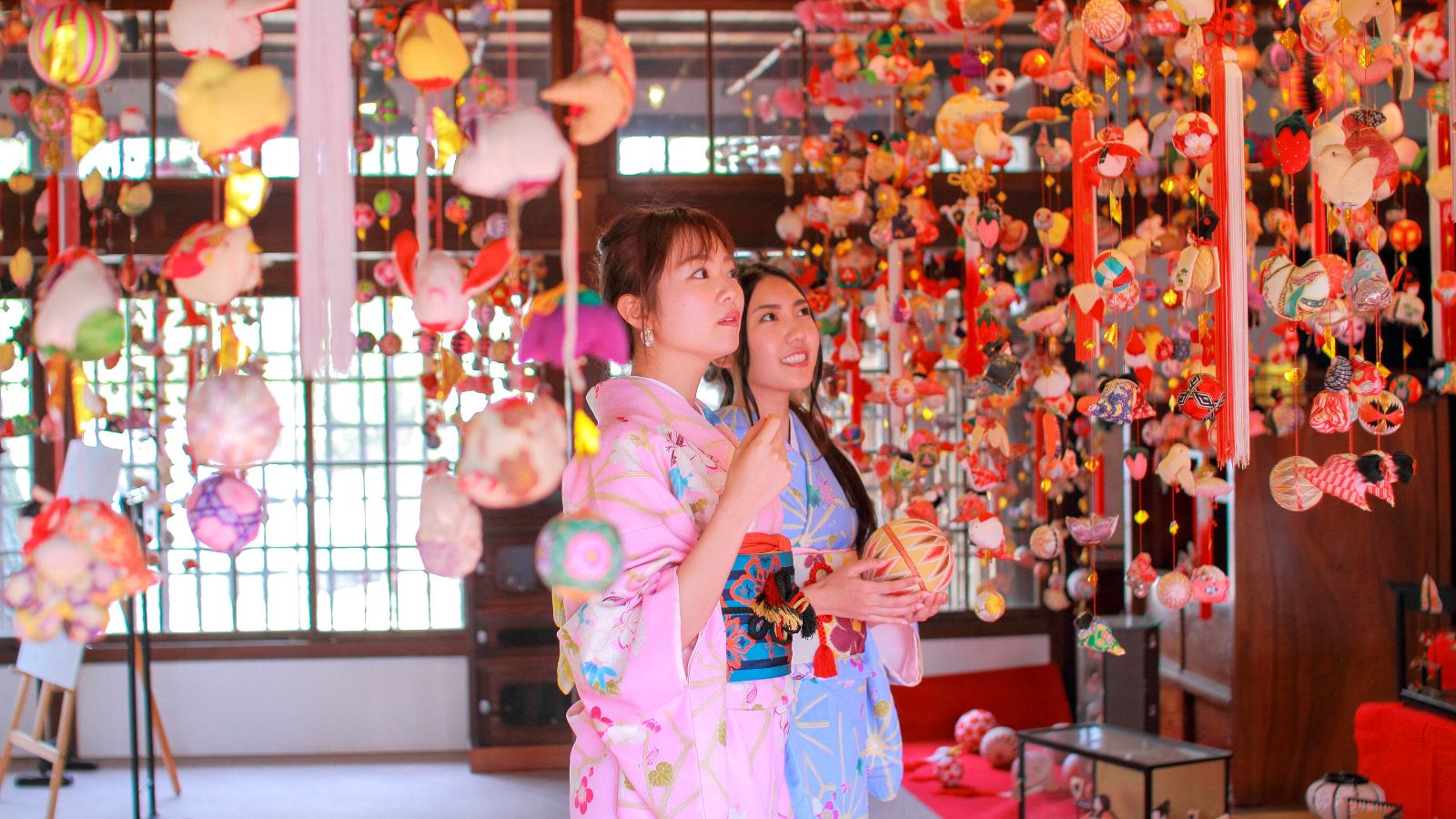
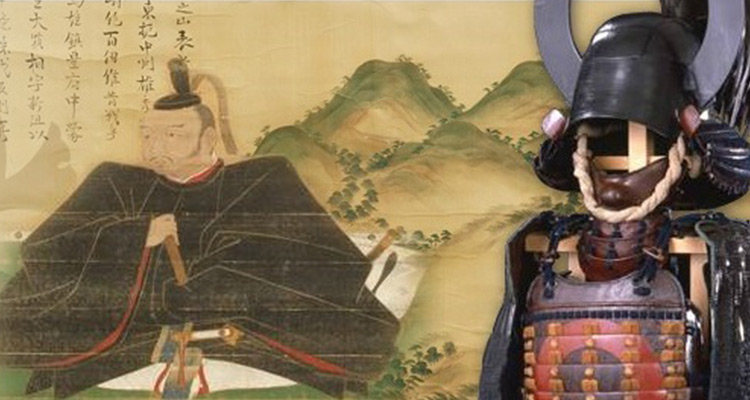
Ohana, which was built as a place of relaxation for the lord of the Yanagawa domain, has a museum called tono-no-kura displaying a large number of exhibits that show lifestyles of the successive lords as well as the history of the Tachibana family. Above all, hinaningyo dolls, which used to be cherished and displayed at the Girls' Festival by the successive princesses, are a precious collection without a parallel in Japan. |
|
| |
Kitahara Hakushu's Parents' Home and Museum
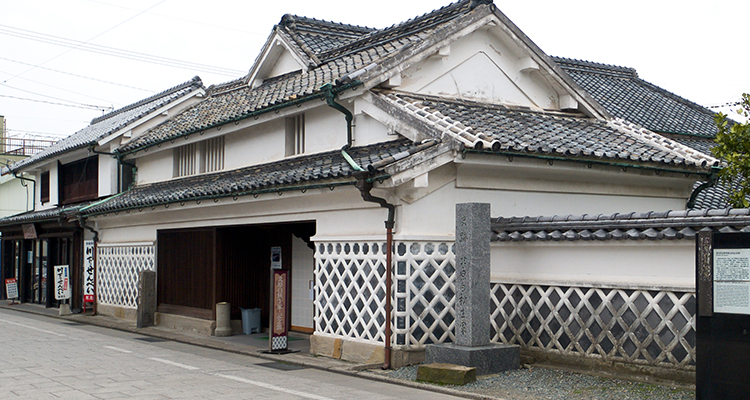
In 1985 (Showa 60), the museum was constructed in commemoration of the great poet Hakushu's 100th birthday at a vast site formerly owned by the Kitahara family, a sake brewer, who had the closest connection with Hakushu. In the museum, visitors will find Hakushu's poems and lyrics and learn how he grew up. On the second floor of the museum is a movie theater where visitors can enjoy films about his life, writings and articles as well as films about the tour in Yanagawa (the city of water) and its festivals. |
|
| |
Prefectural Yanagawa Museum of Archives
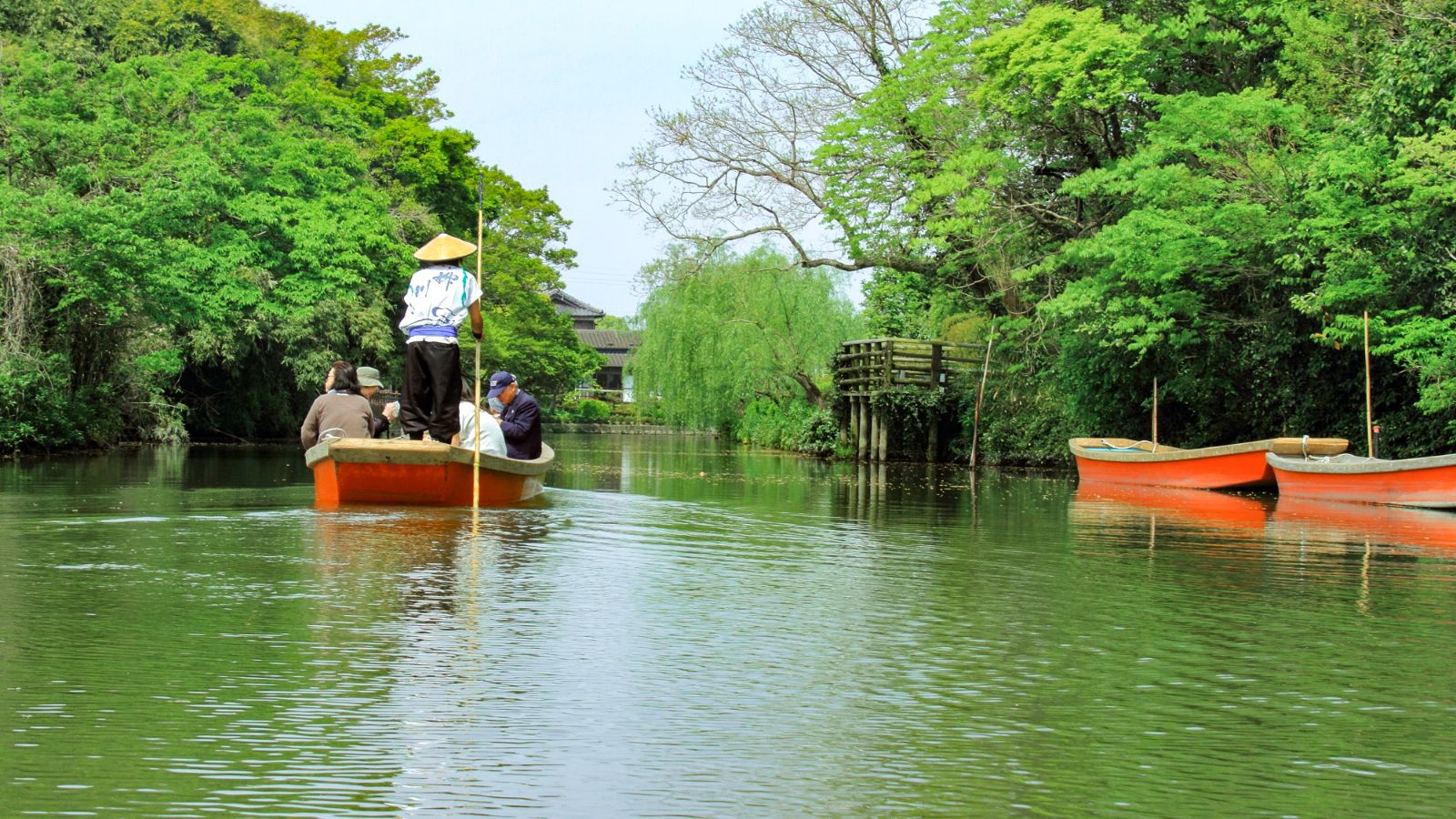
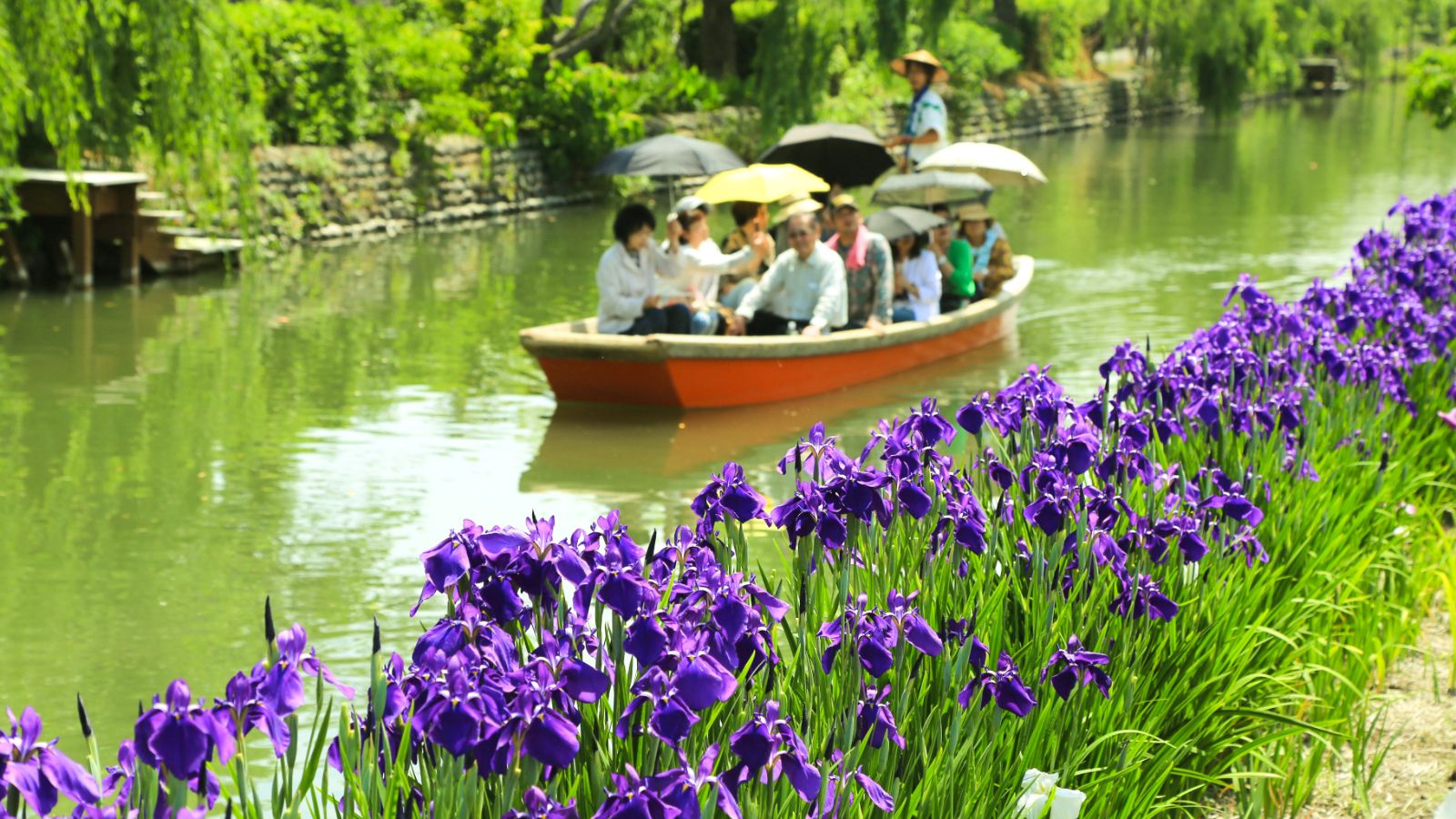
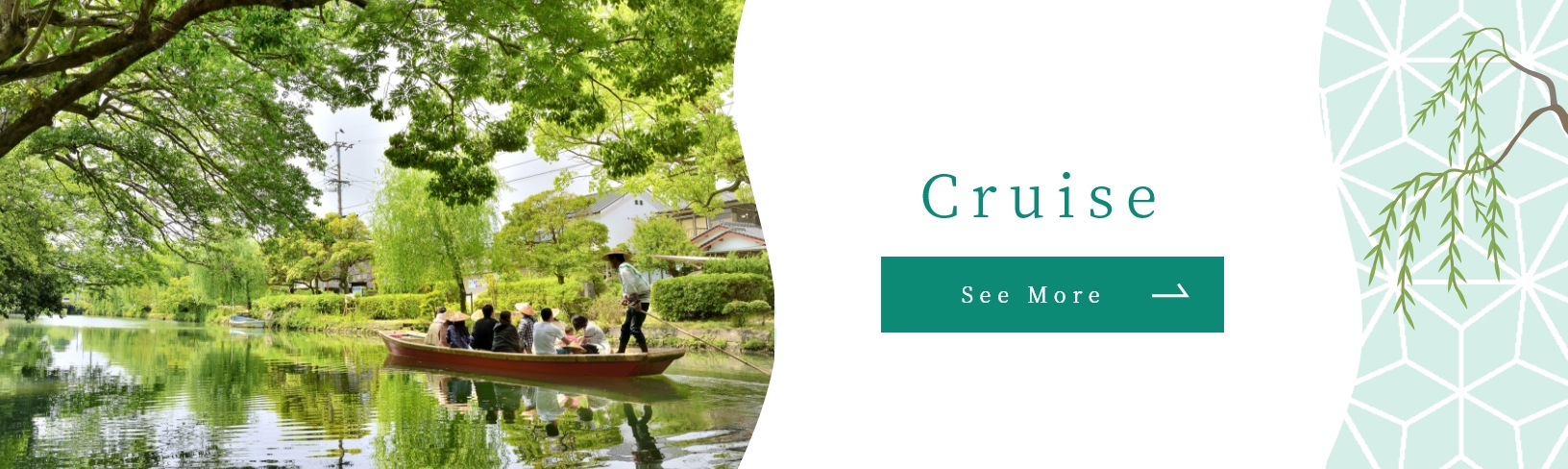
In the museum located at a quiet place by the waterway where small boats (donko-bune) with tourists on board come and go, there are antique documents, pictures and maps which were found in private houses in and around Yanagawa. |
|
| |
Amembo Center
The Amembo Center consists of the Municipal Library and the Water Museum. The latter was made to get people to learn, through the connection between people and the waterway (Yanagawa's lifeline), about the local nature, culture of water, people's lives, climate, etc. in order to have them think about the future reformation of the city. In the museum you will find such exhibits as models and tools displayed, with water ー
the water in the waterway in particular ー as their theme.
In Amembo Park that is across the waterway, you may even forget the passage of time in the atmosphere of innocent children's laughing voices and the nursery song chime to tell the hours. |
|
| |
Shohgetsu-bunjin-kan
The second floor of the former "Kaigetsuro" (presently "Shohgetsu", a Japanese restaurant), whose name can be seen in one of Hakushu's poems "Omoide (Memories)", was turned into a museum where you can find shikishi (a square piece of fancy paper for writing a poem on), letters and pictures left by many writers such as Kitahara Hakushu, Noda Utaro, Ryu Kankichi, etc., all of whom had visited this place.. |